The Upfront Premium: EVs vs. ICE Vehicles
The sticker price is where electric vehicles traditionally lose the first round. A 2024 Tesla Model 3 Rear-Wheel Drive retails for approximately $63,900, while a comparably-sized Toyota Camry Ascent Sport starts at around $39,990. That's a $23,910 upfront premium for the EV.
However, the price gap is narrowing. Government incentives at both federal and state levels are helping to reduce the effective purchase price for many buyers. In states like NSW, EV buyers can access stamp duty exemptions (saving up to $3,000), while the ACT offers up to $15,000 in combined incentives for zero-emission vehicles. Queensland provides interest-free loans for EVs, and Victoria offers rebates for eligible buyers.
More importantly, the upfront price is only one piece of the total cost of ownership puzzle. What matters is the lifetime cost of operating the vehicle—and this is where EVs start to shine.
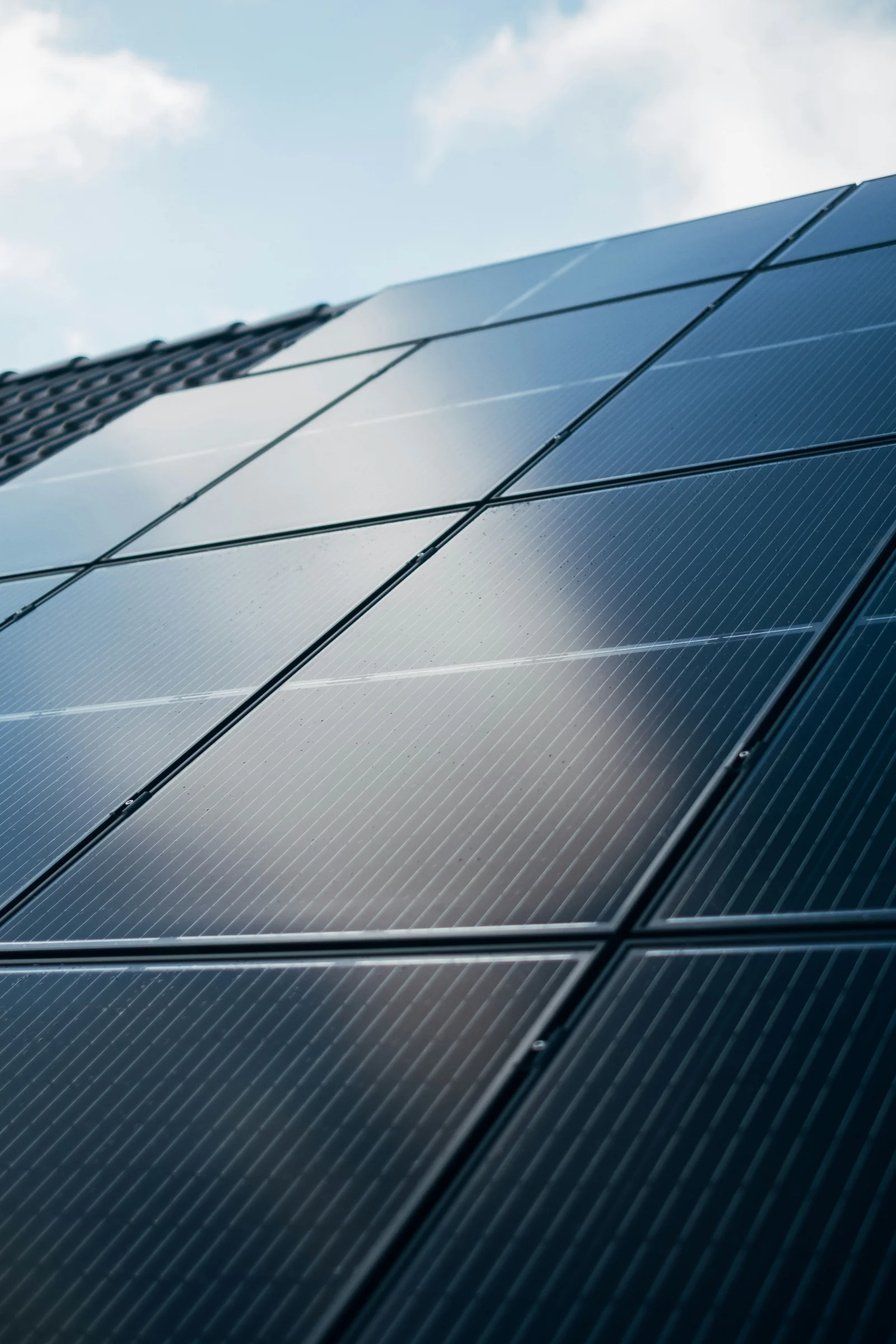
Charging from home solar panels is the ultimate cost-saving strategy for EV owners.
Running Costs: Fuel, Maintenance, and Registration
This is where electric vehicles pull ahead dramatically. Let's break down the three main ongoing cost categories for an average Australian household driving 15,000 kilometres annually:
Fuel Costs
Charging an EV costs significantly less than fuelling an ICE vehicle. Based on current Australian energy prices:
Annual fuel savings: $1,800 - $2,220
Maintenance
EVs have significantly fewer moving parts than ICE vehicles. No oil changes, no spark plugs, no timing belts, no exhaust systems, and regenerative braking means brake pads last much longer.
Annual maintenance savings: $250
Registration
Registration costs vary by state, and some states are introducing road user charges for EVs. In most cases, registration costs are similar between EVs and ICE vehicles, though this varies:
Registration costs are roughly equivalent, with some state-specific variations.
Annual Cost Comparison: The Full Picture
Here's how the total annual running costs stack up, assuming 15,000 km of driving per year:
| Cost Category (Annual) | Toyota Camry | Tesla Model 3 (Grid) | Tesla Model 3 (Solar) |
|---|---|---|---|
| Fuel/Energy | $2,400 | $600 | $180 |
| Maintenance | $400 | $150 | $150 |
| Registration (NSW) | $400 | $400 | $400 |
| Total Annual Cost | $3,200 | $1,150 | $730 |
Annual Savings with EV:
$2,050 - $2,470 per year
Over 10 years, that's $20,500 - $24,700 in operating cost savings alone.
Electric Vehicle Tax Benefits
One of the most powerful financial incentives for EV ownership in Australia is the Fringe Benefits Tax (FBT) exemption for battery electric vehicles. This applies to EVs purchased or leased through a novated lease arrangement with your employer.
How the FBT Exemption Works
Normally, if your employer provides you with a car through salary sacrifice, you pay Fringe Benefits Tax on the value of that benefit. However, for eligible EVs, this tax is completely exempt, meaning you can pay for the vehicle using pre-tax salary.
Eligibility: Battery electric vehicles with a luxury car tax value below $91,387 (2024-25 threshold)
Savings potential: An average income earner ($90,000/year) can save $4,000 - $6,000 per year in tax through a novated lease compared to a standard car loan
Who benefits most: Employees in the 37% or 45% tax brackets see the largest percentage savings
State-specific incentives also apply:
- NSW: Stamp duty exemption (up to $3,000 savings) + $3,000 rebate for EVs under $68,750
- Victoria: Road user charge of 2.8c/km applies, but $3,000 rebate available for vehicles under $68,740
- Queensland: Interest-free loans up to $15,000 for new EVs
- ACT: Up to $15,000 in combined incentives including two years of free registration
- South Australia: $3,000 subsidy for new EVs under $68,750
Verdict: EVs Are Cheaper Over Time
When you combine lower running costs with tax benefits and government incentives, the total cost of ownership equation shifts dramatically in favour of electric vehicles:
Break-Even Analysis
Without Novated Lease:
Break-even at 5-6 years
After this point, every year of ownership increases your savings
With Novated Lease (FBT Exemption):
EV is cheaper from day one
Lower weekly payments + fuel savings + maintenance savings = immediate financial benefit
10-Year Total Cost of Ownership:
*Includes FBT savings, solar charging benefits, and lower maintenance costs
The era of the "expensive" electric vehicle is ending. While the upfront sticker price remains higher, the combination of dramatically lower running costs, zero emissions, superior performance, and generous tax incentives makes EVs increasingly attractive from a pure financial perspective.
For households with solar panels and access to novated leasing, EVs are already the more economical choice. For everyone else, the break-even point is getting shorter every year as battery costs decline and charging infrastructure expands.