The Battery Health Report
The battery is the heart of an electric vehicle—and by far the most expensive component. A new battery pack can cost anywhere from $10,000 to $25,000 depending on the vehicle, making battery health the single most important factor in any used EV purchase decision.
Unlike a traditional internal combustion engine where you can visually inspect components or listen for warning signs, battery health is invisible to the naked eye. A car might look immaculate, drive perfectly during a test drive, and still hide a severely degraded battery that will cost you thousands in the future.
🚨 Critical Warning Signs
Be extremely cautious if you notice any of the following red flags:
- Seller refuses to provide a battery health report or says they "don't have one"
- Car is always shown at 100% charge in all listing photos (hiding actual range)
- Dashboard range estimate is suspiciously low compared to manufacturer specs
- Seller insists on meeting at a location without a charger to prevent you from testing charge times
- Vehicle history shows frequent rapid charging at high state-of-charge levels
- Car is from an extreme climate zone (desert heat or arctic cold) without thermal management
💡 Non-Negotiable: Independent Battery Assessment
Before committing to any used EV purchase, insist on a recent, independent battery health report from a certified provider like EV360. This report should include State of Health (SOH) percentage, cell voltage balance, charging performance metrics, and degradation trends. The cost of an inspection ($150-$300) is minimal insurance against the risk of inheriting a $20,000 battery problem.
A healthy battery should retain at least 85-90% State of Health (SOH) after 5 years of typical use. Anything below 80% SOH means the vehicle has significantly reduced range and may be approaching warranty replacement thresholds.
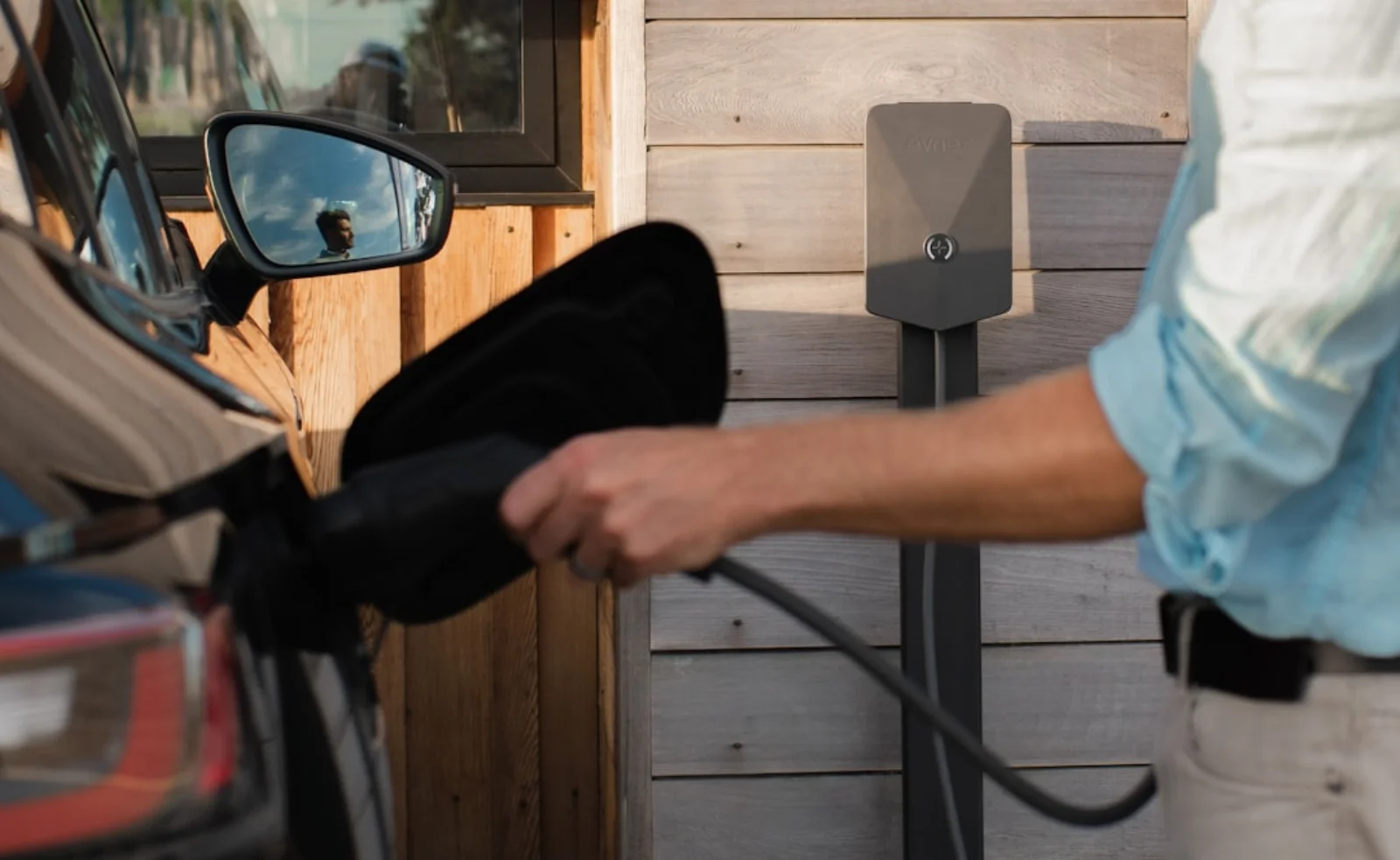
A thorough pre-purchase inspection can save you from expensive battery replacement costs.
Charging Port Inspection
The charging port is one of the most frequently used components on an EV, yet it's often overlooked during inspections. A damaged charging port can lead to slow charging speeds, dangerous electrical issues, or complete charging failure—and replacement can cost thousands of dollars.
✅ Charging Port Inspection Checklist
1. Visual Inspection of Pins and Contacts
- Check all charging pins for corrosion, rust, or discolouration
- Look for bent, damaged, or missing pins
- Check pins are clean and free from debris
- Verify that all contacts are flush and properly aligned
2. Signs of Overheating
- Look for melted, warped, or discoloured plastic around the port
- Check for burn marks or scorching on the housing
- Smell for burnt plastic or electrical odours
- Examine the charging cable connector for similar damage
3. Port Door and Seals
- Test the port door mechanism for smooth operation
- Inspect rubber seals for cracks, tears, or deterioration
- Check for water intrusion or moisture inside the port
- Check the locking mechanism works properly
4. Functional Test
- Plug in a compatible charger and verify it connects properly
- Listen for the characteristic "click" or lock sound
- Confirm the vehicle recognises the charger (check dashboard)
- Monitor the initial charging rate to confirm normal operation
Pro Tip: If possible, test both AC (slow) and DC (fast) charging. Some vehicles have separate ports or pins for each, and issues with one type might not affect the other.
Software Updates
Electric vehicles are essentially computers on wheels, and software plays a critical role in battery management, charging efficiency, safety systems, and overall performance. An EV running outdated software can have significantly reduced range, slower charging, and missing safety features.
🔄 Battery Management System (BMS) Updates
The BMS is the brain that manages battery charging, discharging, thermal regulation, and cell balancing. Manufacturers frequently release BMS updates to improve battery longevity, optimise charging speeds, and address newly discovered issues.
Ask the seller: "When was the last software update performed?" and "Are there any outstanding recall notices or software updates pending?" Check the manufacturer's website or contact a dealership to verify.
📡 Over-the-Air (OTA) Update Capability
Some EVs (like Tesla, Rivian, and newer models from Hyundai/Kia) receive updates wirelessly over the internet. Others require a dealership visit. Understanding this will help you budget for future maintenance.
Check if: The vehicle supports OTA updates, Wi-Fi connectivity is functional, and the previous owner kept software up to date.
⚠️ Outstanding Recalls
Software recalls are common in EVs. Check the VIN against manufacturer recall databases to confirm all safety-related updates have been completed.
Red flag: If the seller is unaware of any recalls or can't provide documentation that recalls were addressed, walk away or insist on dealership verification before purchase.
Test Drive & Driving Range
The test drive is your opportunity to evaluate real-world performance and validate the battery health claims. Unlike inspecting a petrol car where you listen for engine noise, an EV test drive focuses on smoothness, range accuracy, and acceleration consistency.
🚗 Comprehensive Test Drive Checklist
📊 Range Consistency Testing
- Start the test drive with a known charge level (ideally 80-100%)
- Note the displayed range estimate at the beginning
- Drive a measured distance (at least 10-15 km) in mixed conditions
- Compare actual distance driven vs. range lost (should be roughly 1:1 in moderate conditions)
- Check for rapid range drops when using climate control or acceleration
Example: If you drive 10 km and the range drops by 30 km, this indicates either aggressive driving conditions or battery degradation.
⚡ Acceleration Performance
- Test acceleration from a standstill to highway speeds
- Listen for unusual sounds (clicking, grinding, or whining from the motor)
- Feel for smooth, linear power delivery without hesitation or stuttering
- Test regenerative braking at various speeds and modes
- Verify instant torque response is consistent with manufacturer specs
🔌 Regenerative Braking Behaviour
- Test in different regeneration modes (low, medium, high/one-pedal driving)
- Feel for smooth, predictable deceleration
- Listen for any grinding or unusual brake noises
- Check dashboard for regeneration energy flow visualisation
🌡️ Climate Control Impact
- Turn on heating or air conditioning to maximum
- Observe the range impact (10-20% drop is normal)
- Test heated seats/steering wheel as alternatives
- Check cabin preconditioning feature if available
📱 Overall Driving Experience
- Test all driver assistance features (adaptive cruise, lane keeping, etc.)
- Evaluate ride comfort and handling
- Check for rattles, squeaks, or unusual noises
- Verify infotainment system responsiveness
- Test smartphone connectivity (Apple CarPlay, Android Auto)
⚠️ Range Reality Check
Keep in mind that official manufacturer range estimates (WLTP or EPA) are tested under ideal laboratory conditions. Real-world range is typically 15-30% lower depending on driving style, weather, terrain, and use of climate control. A 5-year-old EV showing real-world range that is 25% below WLTP is generally normal; 40-50% below indicates significant degradation.
Warranty & Documentation
The warranty status and service history of a used EV can significantly impact its value and your long-term ownership costs. Unlike traditional cars where warranties are relatively straightforward, EV warranties often have nuanced battery coverage that requires careful review.
📄 Essential Documentation Checklist
🛡️ Battery Warranty Coverage
- Verify remaining battery warranty duration (typically 8 years or 160,000 km)
- Check the warranty threshold (usually covers degradation below 70% SOH)
- Confirm warranty is transferable to new owners
- Review any warranty exclusions (flooding, collision damage, modifications)
- Ask if warranty has been claimed previously for battery-related issues
Note: Some manufacturers offer extended battery warranties beyond the standard coverage—check if the seller purchased this option.
🔧 Service History & Maintenance Records
- Request complete service records from authorised dealerships or certified mechanics
- Verify recommended maintenance intervals were followed
- Check for any battery-related service alerts or error codes
- Review tyre rotation and alignment records (important for heavy EVs)
- Confirm brake fluid, coolant, and cabin air filter changes
📋 Vehicle History Report
- Obtain a comprehensive vehicle history report (PPSR in Australia)
- Check for accident history or structural damage (critical for battery safety)
- Verify odometer readings are consistent
- Look for flood or water damage (catastrophic for EVs)
- Confirm number of previous owners
📝 Original Purchase Documentation
- Review original purchase agreement for any special conditions
- Check if vehicle was part of a lease or fleet
- Verify VIN matches all documentation
- Confirm government incentive eligibility for used EVs (if applicable)
🔍 Warranty Fine Print: What to Watch For
Degradation thresholds: Most EV warranties only trigger if battery SOH drops below 70% during the warranty period. At 71% SOH, you might be out of luck even if you've experienced significant range loss.
Voiding conditions: Modifications, aftermarket parts, racing, commercial use, towing beyond rated capacity, or failing to complete mandatory recalls can all void your warranty.
Pro-rated coverage: Some warranties use pro-rated formulas that reduce coverage based on age or mileage, meaning you might only receive partial reimbursement for battery replacement.
Don't Rush the Purchase
Buying a used electric vehicle is a significant investment that requires patience and due diligence. While the lower running costs and environmental benefits of EVs are compelling, rushing into a purchase without proper inspection can lead to costly surprises that overshadow the savings.
Unlike traditional vehicles where problems are often audible or visible, EV issues—particularly battery degradation—can remain hidden until it's too late. A car that drives perfectly today might need a $20,000 battery replacement in two years if you don't verify its condition properly.
✅ Pre-Purchase Action Plan
- Request a professional battery health report from EV360 or equivalent certified provider
- Conduct thorough visual inspection of charging port, exterior, and interior condition
- Perform comprehensive test drive testing range accuracy, acceleration, and regenerative braking
- Verify all software is up to date and check for outstanding recalls
- Review complete service history and warranty documentation
- Obtain vehicle history report to check for accidents, flooding, or odometer tampering
- Have a certified EV mechanic perform pre-purchase inspection if possible
- Negotiate price based on battery health and any identified issues
Remember: a seller who is transparent about battery health, provides complete documentation, and welcomes thorough inspection is far more trustworthy than one who pressures you to "buy now" or dismisses your questions. Taking an extra week to complete all checks is a small price to pay for peace of mind and potentially saving tens of thousands of dollars in future repair costs.