How You Charge Your EV Matters
How you charge your electric vehicle is the single biggest factor under your control when it comes to extending battery life. Unlike traditional vehicles where fuel quality is standardised, EV battery longevity is directly influenced by charging behaviour, temperature management, and daily habits.
The chemistry inside lithium-ion batteries is sensitive to stress from rapid charging, extreme temperatures, and voltage extremes. Thoughtful charging practices can add years to your battery's usable life, maintain better range retention, and protect your vehicle's resale value. The good news is that following a few simple principles makes all the difference.
Charging Speed Matters
Not all charging methods are equal when it comes to battery health. Fast charging generates significantly more heat than slower charging, and excessive heat is one of the primary causes of battery degradation over time.
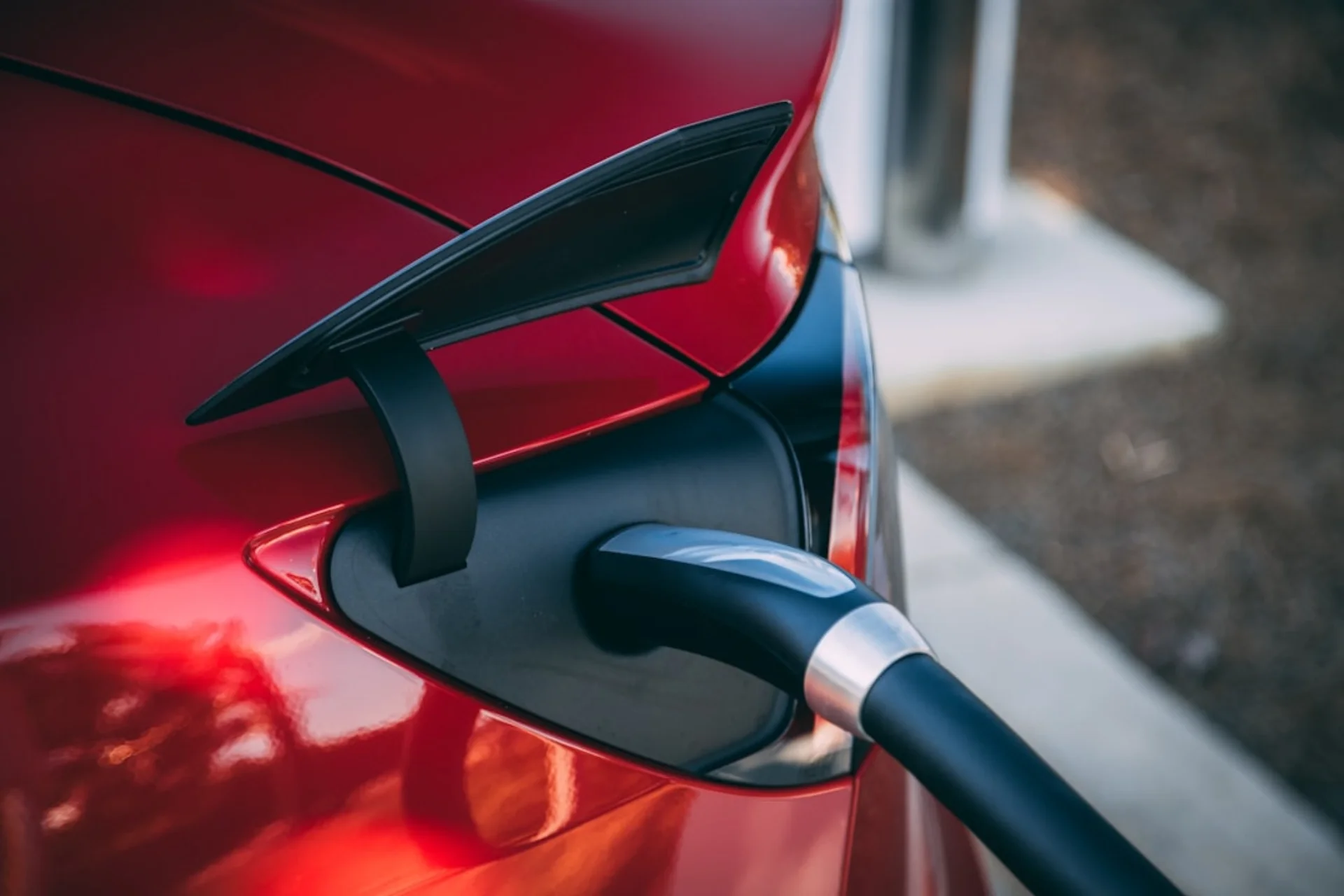
Level 2 charging (7-22kW) is the sweet spot for daily use. It provides a convenient overnight charge without stressing the battery cells. Most EV owners install a Level 2 wallbox at home, which fully charges the vehicle in 4-8 hours depending on battery size.
DC fast charging (50-350kW) should be reserved for road trips and emergency top-ups. While incredibly convenient, frequent use of DC fast charging accelerates battery degradation due to the intense heat generated during rapid energy transfer. Modern EVs have sophisticated thermal management systems, but these can only do so much to mitigate the stress of repeated fast charging.
Rule of thumb: Use Level 2 charging for 90% of your daily needs, and save DC fast charging for when you genuinely need rapid replenishment on longer journeys.
The 20%-80% Rule: A Crucial Practice
Lithium-ion batteries experience the least stress when charged and discharged within the middle range of their capacity. The industry-standard recommendation is to keep your battery between 20% and 80% state of charge for daily use.
Why 20%-80%?
Below 20%: Deep discharges cause increased chemical stress on the battery cells, particularly when repeatedly draining below 10%. This accelerates capacity loss over time.
Above 80%: Holding a high state of charge (especially above 90%) for extended periods creates voltage stress that degrades the cathode material faster. This is why many manufacturers recommend limiting daily charging to 80%.
100% charges: Reserve these for road trips when you need maximum range. Charging to 100% occasionally is fine, but avoid leaving your EV sitting at 100% for days on end.
Most modern EVs allow you to set a daily charge limit in the vehicle settings. Setting this to 80% is one of the simplest actions you can take to extend battery life.

Modern EVs provide detailed charging information and allow you to set custom charge limits.
Temperature Matters
Battery chemistry is highly temperature-sensitive. Extreme heat and extreme cold both negatively impact battery performance and longevity, making thermal management a critical consideration for EV owners.
Hot Weather Considerations
Avoid charging immediately after driving in extreme heat if possible. Let the battery cool down for 20-30 minutes before plugging in. High temperatures during charging accelerate chemical reactions that degrade battery materials. If you live in a hot climate, try to charge during cooler evening or early morning hours, and park in shaded areas when possible.
Cold Weather Considerations
In freezing temperatures, charge immediately after driving while the battery is still warm from use. Cold batteries have higher internal resistance, making charging slower and less efficient. Modern EVs use battery heaters to warm the pack before charging, but this consumes energy. Preconditioning your battery (if your vehicle supports it) before arriving at a charging station improves charging speed and efficiency.
Most modern EVs have active thermal management systems with liquid cooling and heating to maintain optimal battery temperature. However, these systems work best when you follow smart charging practices aligned with ambient conditions.
Different Types of Chargers and Their Impact
Understanding the three main charging types helps you make informed decisions about when to use each method:
Granny Charger
Standard Powerpoint
Speed: 2-3 kW
Charge Time: 24-48 hours
Health Impact: Excellent
Slowest but gentlest on the battery. Ideal for overnight charging if you have low daily mileage.
Wallbox / Public AC
Home or Shopping Centres
Speed: 7-22 kW
Charge Time: 4-8 hours
Health Impact: Excellent (Recommended)
The optimal balance of speed and battery health. Use this for 90% of your charging needs.
DC Fast Charger
Highway Stations
Speed: 50-350 kW
Charge Time: 15-45 min
Health Impact: Use Sparingly
Convenient for road trips but generates significant heat. Limit to when you genuinely need rapid charging.
For Peace of Mind: Annual Battery Health Checkups
Even with perfect charging habits, it's wise to have your battery's health professionally assessed once a year. An annual checkup provides valuable insights that go beyond what your dashboard displays:
- Capacity verification: Confirm your battery's actual State of Health (SOH) compared to when it was new.
- Cell balance analysis: Detect imbalances between cell groups that could indicate developing issues.
- Degradation trending: Track how your battery is ageing compared to the average for your vehicle make and model.
- Warranty validation: Document your battery condition in case you need to make a warranty claim before coverage expires.
Think of it like an annual physical exam for your EV. Early detection of issues can save thousands in unexpected repair costs and help you make informed decisions about vehicle maintenance or replacement timing.
Drive Longer, Charge Smarter
The battery in your electric vehicle is its most valuable component, and how you care for it directly impacts your ownership experience. By following these evidence-based charging practices, you can significantly extend battery life, maintain better range, and protect your vehicle's resale value.
The core principles are simple: charge slowly when possible, stay within the 20-80% range for daily use, be mindful of temperature, and avoid excessive DC fast charging. Modern EVs make it easy to follow these guidelines with built-in charge limit controls and thermal management systems.
Every manufacturer has specific recommendations for their battery chemistry and thermal management system. Consult your owner's manual for model-specific guidance, but the principles outlined here apply universally across all lithium-ion EV batteries.